Command Response to Sexual Assault

Sexual assault is intentional sexual contact, characterized by use of force, physical threat or abuse of authority or when the victim does not or cannot consent. It includes rape; oral or anal sex); unwanted, inappropriate sexual contact or fondling; or attempts to commit these acts.
Sexual assault can occur without regard to gender, spousal relationship or age of the victim.
Commanders must establish clear standards for personal behavior and hold offenders accountable. Further, they must continuously educate their personnel on how to prevent incidents of sexual assault, while also encouraging victims and witnesses to report these incidents when they occur.
REPORTING REQUIREMENTS
Commanders should immediately report all suspected or alleged sexual assaults to law enforcement. Commanders must not conduct independent command investigations into allegations of sexual assault to avoid compromising the investigation.
INITIAL DISPOSITION AUTHORITY
Per Secretary of Defense policy, any reported offenses under Article 120 (rape, sexual assault of an adult), Article 125 (forcible sodomy), or Article 80 (attempts of rape, sexual assaults, or sodomy) of the Uniform Code of Military Justice shall be referred to the O-6 Special Court-Martial Convening Authority or higher court-martial convening authority in the chain of command for initial disposition of the allegation(s).
RETALIATION
Commanders must guard against personal and professional retaliation against victims and those who report crimes. Such persons should be treated with dignity and respect at all times.
VICTIM ADVOCATES
Victim advocates possess specialized training in assisting victims of sexual assault. Victims may also be assigned legal counsel.
learn more about military justice
Members of reserve components are subject to the UCMJ, but only when actually performing reserve duty.
The Uniform Code of Military Justice is a federal law and the basis of our military justice system. It outlines what conduct is criminal, establishes the various types of courts, and sets forth the procedures to be followed in the administration of military justice.
Sexual assault is intentional sexual contact, characterized by use of force, physical threat or abuse of authority or when the victim does not or cannot consent. It includes rape, nonconsensual sodomy (oral or anal sex), indecent assault (unwanted, inappropriate sexual contact or fondling), or attempts to commit these acts.
Commanders are tasked with maintaining good order and discipline within their units.
In the military justice system, commanders have a quasi-judicial role in that they make decisions that are made by prosecutors or judges in the civilian sector.

Pretrial agreements are agreements between the accused and the convening authority that may affect reduction in rank; length of confinement; and amount of forfeitures, among other terms.

When a commander learns that a member of her command is being held by civilian authorities or is charged with a criminal offense, she should take prompt action.
Pretrial restraint includes:
Conditions on liberty
Restriction in lieu of arrest
Arrest
Pretrial confinement

Unless waived by the accused, an Article 32 preliminary hearing is required before a servicemember can be referred to a general court-martial for trial.
If a commander receives information that a member of his command is suspected of committing an offense punishable under the Uniform Code of Military Justice (UCMJ), he should direct a preliminary inquiry into the charge(s).

The Victim and Witness Assistance Program (VWAP) provides guidance for the protection and assistance of victims and witnesses, enhances their roles in the military criminal justice process, and preserves the constitutional rights of an accused.
A Special Victim's Counsel is an attorney who represents and counsels victims of sexual assault
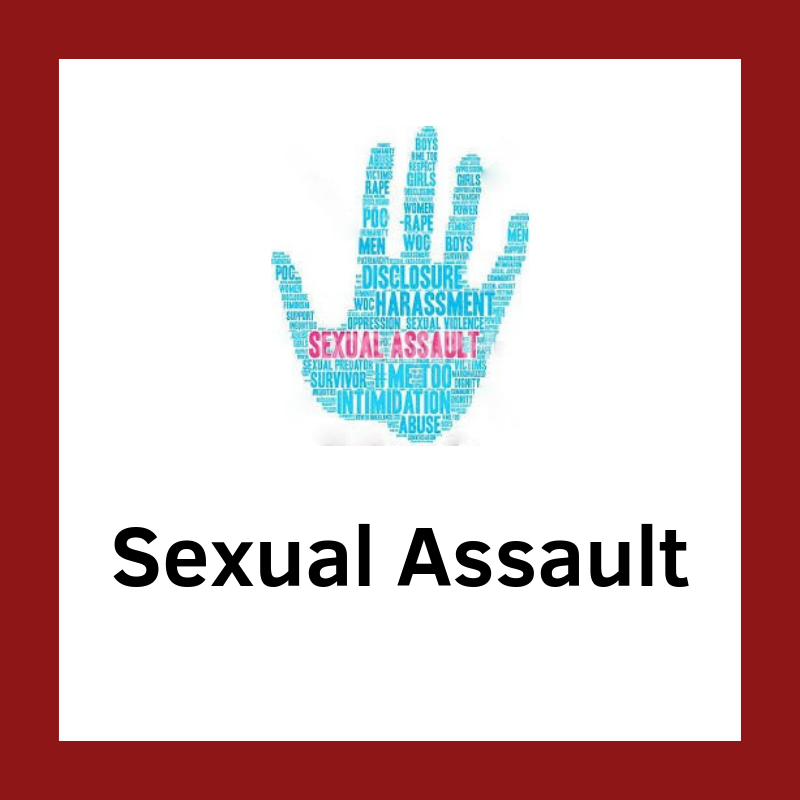
Sexual assault is intentional sexual contact, characterized by use of force, physical threat or abuse of authority or when the victim does not or cannot consent. It includes rape, nonconsensual sodomy (oral or anal sex), indecent assault (unwanted, inappropriate sexual contact or fondling), or attempts to commit these acts.
The Department of Defense drug testing program is primarily based upon random urine tests.
Urine tests prove past usage. The tests cannot prove impairment, frequency of usage, method of ingestion, or knowing ingestion.
Drug abuse is incompatible with military service.
Unlike alcohol abuse, which the Department of Defense (DoD) views as a preventable and treatable disease, the DoD deals with drug abuse more strictly, in that the identified drug abuser is subject to punitive action or involuntary separation.
Nonjudicial punishment (NJP) provides commanders with a means of maintaining good order and discipline without resorting to criminal prosecution.

A commander may inspect and authorize probable cause searches and seizures of persons and property under his or her command.
A search authorization must be based upon probable cause. Probable cause exists when there is a reasonable belief that the items connected with criminal activity are located in the place or on the person to be searched.

Service members accused of crimes are afforded certain protections.
You must advise a service member of his rights under Article 31, UCMJ when you reasonably suspect he has committed a crime prior to questioning. You do not need to advise a witness not suspected of committing an offense of his rights -- even during official questioning.